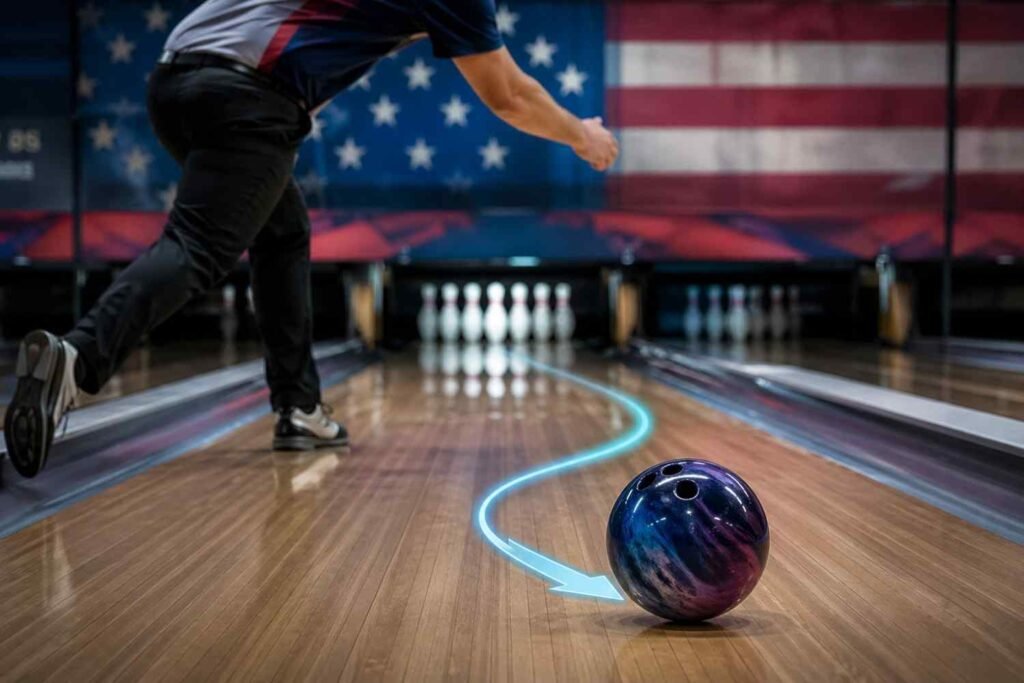
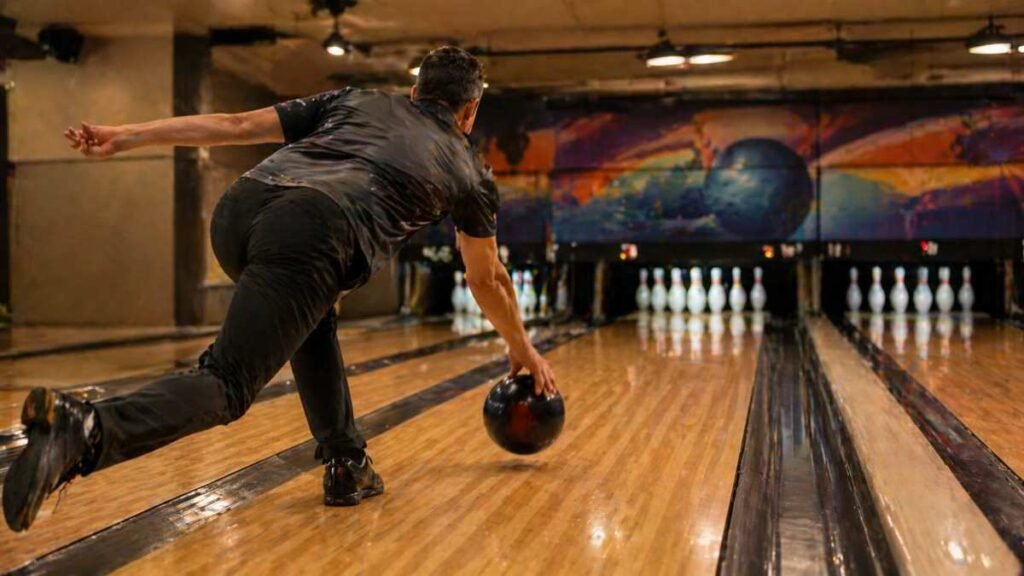
League nights used to feel like a mix of fun and frustration, especially when soreness crept in after just a few games. Learning the right prevent bowling injuries tips made a huge difference, turning discomfort into confidence and helping every throw feel smoother, safer, and more controlled.
Why Bowling Injuries Happen?
Understanding the causes helps you prevent issues before they begin.
Poor Technique And Form
Incorrect mechanics like forcing power or over-rotating your wrist place unnecessary strain on joints. Over time, this leads to common issues such as bowler’s elbow and shoulder tendonitis.
Many bowlers rely too much on their arm instead of using a full-body motion. This imbalance increases pressure on specific muscles, making injuries more likely.
Overuse And Lack Of Recovery
Repeated bowling without adequate rest creates micro-stress in muscles and tendons. Without recovery, this builds into chronic pain and inflammation. Even casual players can experience overuse injuries if they play multiple games without breaks or proper cooldown routines.
Equipment And Fit Issues
Using poorly fitted equipment forces unnatural movements. A bad grip or heavy ball makes you squeeze harder, increasing strain on your wrist and forearm. Proper gear selection is one of the simplest yet most overlooked ways to prevent injuries.
Essential Equipment And Fitting
The right gear reduces strain and improves your overall bowling experience.

Custom Ball Fit Matters
A professionally drilled bowling ball ensures your fingers and thumb fit naturally. Poor spacing or tight holes force you to grip harder, leading to thumb sprains and forearm fatigue. A good fit allows a relaxed grip, improving both comfort and control during release.
Choose Optimal Ball Weight
Using a ball that is too heavy causes unnecessary strain on your arm and shoulder. You should be able to handle the weight comfortably through multiple games without fatigue.
Lighter control often leads to better performance and fewer injuries than forcing power with a heavy ball.
Proper Footwear Support
Bowling shoes should provide stability and smooth sliding motion. Worn-out soles or poor grip can cause sudden jolts, increasing the risk of knee and ankle injuries. Keeping your shoes clean and well-maintained ensures consistent movement and reduces impact stress.
Targeted Warm-Up Exercises
Preparing your body before bowling is essential for injury prevention.

Wrist And Forearm Warm-Up
Start with gentle wrist flexion and extension exercises. Pull your fingers toward and away from your body to loosen forearm muscles and improve flexibility. This reduces the risk of wrist tendonitis and improves grip control.
Shoulder And Upper Body Activation
Dynamic shoulder stretches like arm circles and overhead reaches prepare your rotator cuff for repeated swings. These movements increase blood flow and mobility. A warmed-up shoulder is less likely to suffer strain during long sessions.
Lower Body And Cardio Prep
Light cardio exercises such as brisk walking or jumping jacks helps loosen joints and improve circulation. Adding lunges prepares your legs for the sliding motion during your approach. Strong and flexible legs absorb impact better, reducing stress on your lower back.
Injury Prevention Techniques That Work
Focusing on proper habits can significantly lower injury risk.
Lift With Your Legs
When picking up a bowling ball, bend your knees and use both hands. This protects your lower back from unnecessary strain. Proper lifting technique is often overlooked but plays a big role in injury prevention.
Avoid Muscling The Ball
Let gravity and momentum generate power instead of forcing the throw. Overusing your arm leads to elbow and shoulder injuries. A smooth, relaxed swing improves both accuracy and safety.
Maintain Proper Posture
Keep your back straight and head aligned during your approach. Poor posture, often called bowling ball syndrome, can cause neck and upper back pain. Good posture ensures balanced movement and reduces pressure on your spine.
How To Prevent Bowling Injuries Tips Step By Step
A simple routine to follow every time you hit the lanes.
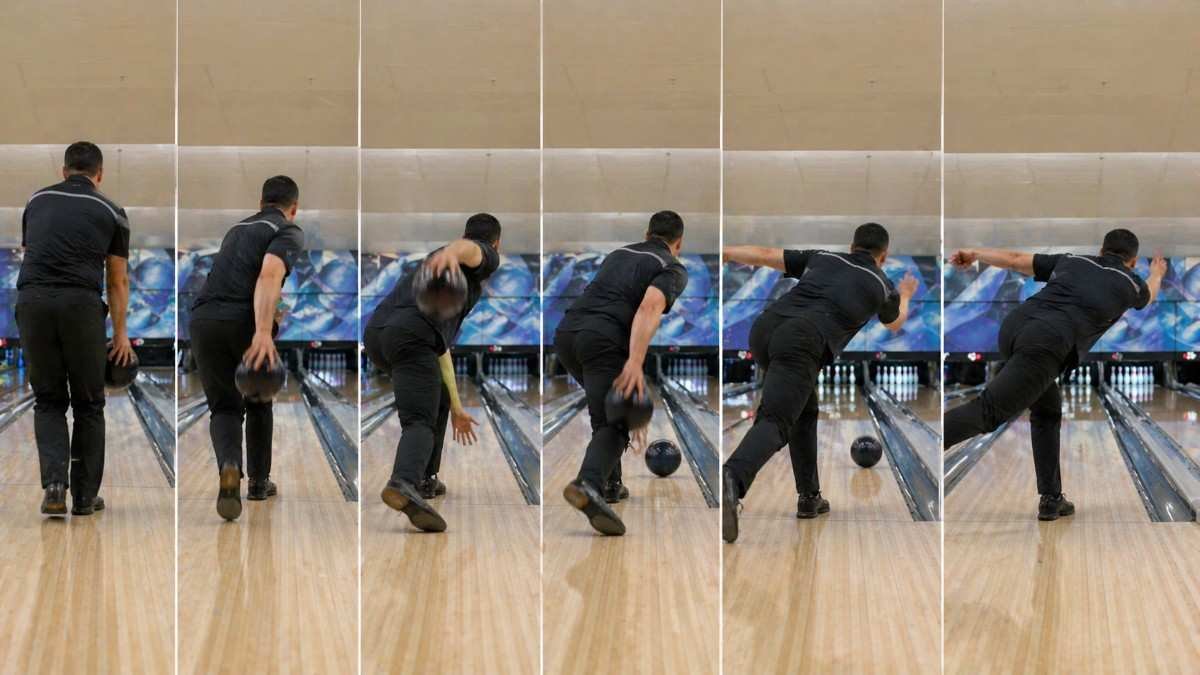
Start by warming up your body with dynamic stretches and light cardio to prepare your muscles and joints for movement. Use a properly fitted bowling ball and maintain a relaxed grip to avoid unnecessary strain on your fingers and wrist.
Focus on a smooth approach, keeping your posture upright and your movements controlled rather than forceful.
As you bowl, let your legs and core generate power while your arm follows naturally, reducing stress on your shoulder and elbow.
Take breaks between games to avoid overuse, and finish your session with light stretching to maintain flexibility and reduce stiffness. Consistency with these prevent bowling injuries tips helps build long-term resilience.
Strength And Conditioning For Bowlers
Building strength supports your joints and improves performance.
Core Stability Training
Exercises like planks and bridges strengthen your core, which supports your spine during rotational movement. A strong core improves balance and reduces lower back strain. Consistent core work strength helps maintain proper posture throughout your game.
Grip And Forearm Strength
Using therapy putty or fingertip exercises improves grip strength and endurance. Strong forearms reduce fatigue and enhance control during release. This also lowers the risk of finger and wrist injuries.
Balance And Stability Training
Single-leg stands and balance drills improve stability during your slide. Better balance leads to smoother movement and less joint stress. Improved stability also enhances overall bowling accuracy.
Recovery And Smart Habits
Long-term success depends on how well you recover after playing.
Listen To Your Body
Pain is a warning sign that should not be ignored. Addressing discomfort early prevents minor issues from becoming serious injuries. Taking short breaks can make a big difference in recovery.
Use Ice And Stretching
Applying ice to sore areas helps reduce inflammation. Stretching after games keeps muscles flexible and prevents stiffness. Recovery routines are essential for maintaining long-term performance.
Manage Your Workload
Avoid sudden increases in playing intensity. Most casual bowlers should limit sessions to a few games to prevent overuse injuries. Consistency and moderation are key to staying injury-free.
Frequently Asked Questions
1. What Are The Best Prevent Bowling Injuries Tips For Beginners?
Focus on proper form, use a lighter ball, and warm up before playing. Avoid overplaying in a single session.
2. Can Equipment Really Help Prevent Injuries?
Yes, proper ball fit and supportive shoes reduce strain and improve control, making a big difference.
3. How Often Should I Rest Between Games?
Taking short breaks between games helps prevent overuse and allows your muscles to recover.
4. Are Warm-Ups Necessary For Bowling?
Yes, warming up improves flexibility and reduces the risk of muscle strain and joint injuries.
Bowl Better, Feel Better Every Game
Following the right prevent bowling injuries tips can transform your time on the lanes. With proper technique, smart equipment choices, and consistent recovery habits, you protect your body while improving performance. Staying mindful of your form and listening to your body ensures you enjoy bowling and score better without pain and keep getting better every game.