

The moment I hear “I’m bored,” I know I have about five minutes before chaos starts. If you’re searching for things to do with kids when bored at home, you’re not alone—and honestly, most lists don’t work long-term.
What finally worked for me wasn’t just activities. It was a simple system that keeps kids moving, thinking, and calming down at the right time.
Why Kids Get Bored Faster Than You Think

Kids don’t get bored because they lack toys. They get bored because their energy has nowhere to go.
According to the American Academy of Pediatrics, unstructured play is critical for development, but it needs variety. Too much of one type—like screen time or passive play—kills engagement fast.
That’s why random activities fail. The flow matters more than the activity itself.
My Go-To System to Keep Kids Engaged All Day
I stopped trying to “entertain” kids nonstop. Instead, I rotate activities based on energy levels.
Step 1 – Burn Energy First
Start with movement. Always.
Indoor obstacle courses work surprisingly well. I use pillows as stepping stones and chairs as tunnels. Within 10 minutes, the mood shifts completely.
Balloon games are another easy win. “Keepy uppy” turns into a full competition without any setup.
Step 2 – Switch to Creative Focus

Once energy drops, kids are more open to creative work.
Cardboard boxes become rocket ships or puppet theaters. I’ve seen kids spend over an hour building something out of a single delivery box.
DIY slime or playdough works too. It’s messy, but it holds attention far longer than digital distractions.
Step 3 – Calm Down Without Screens
This is where most parents struggle.
Instead of jumping to screens, I shift to quieter activities like puzzles or drawing. It keeps their brain engaged without overstimulation.
This three-step cycle is what makes things to do with kids when bored at home actually sustainable—not just temporary fixes.
Indoor Things to Do With Kids When Bored at Home
High-Energy Indoor Games
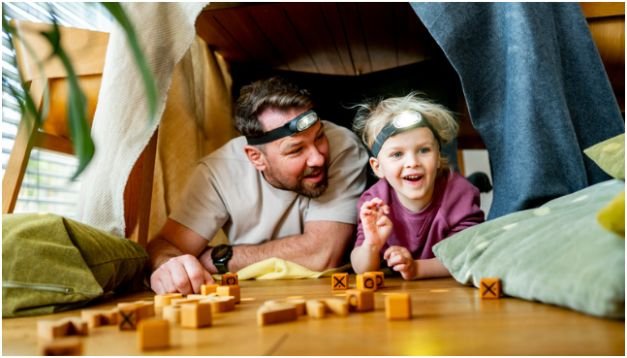
When kids are bouncing off the walls, structured movement helps.
A living room dance party works better than expected. I turn on music and let them lead. It becomes a mix of creativity and exercise.
Blanket forts are another classic. Add flashlights and suddenly it becomes a private world they don’t want to leave.
Creative Activities Using Household Items
You don’t need fancy supplies.
Cardboard creations are my go-to. Kids turn boxes into cities, cars, or shops. It builds imagination and problem-solving at the same time.
Rock painting is another underrated option. It’s simple but surprisingly calming.
If you want something more interactive, scavenger hunts work every time. I usually give clues like “find something soft” or “something that starts with B.”
STEM and Learning Challenges
This is where fun meets learning.
A baking soda volcano never fails. It’s simple science but feels like magic.
Building towers with marshmallows and toothpicks adds a challenge element. Kids naturally try to beat their previous designs.
Board games also deserve more credit. Strategy games improve focus, patience, and decision-making—all while feeling like play.
Outdoor Activities When the Weather Is Nice

Sometimes the best solution is just stepping outside.
No-Equipment Outdoor Games
Shadow tag is one of the easiest games I’ve used. Kids love the twist, and it works best on sunny days.
“Red Light, Green Light” adds structure and excitement without any setup.
Animal races are chaotic in the best way. Watching kids hop like frogs or crawl like crabs never gets old.
Nature-Based Activities
Outdoor play doesn’t always have to be loud.
Backyard scavenger hunts keep kids focused and curious. I often turn it into a mini challenge with a timer.
Cloud watching is surprisingly effective for calming overstimulated kids. It resets their mood quickly.
Nature art is another favorite. Leaves, sticks, and stones become creative tools.
Water and Messy Play Ideas
If it’s warm, water changes everything.
Sponge tag is simple but keeps kids active longer than expected.
DIY sidewalk paint adds creativity without long cleanup. It washes away easily with a hose.
A “mud kitchen” might sound messy, but it’s one of the longest-lasting activities I’ve seen. Kids stay engaged because it feels real.
How I Keep Kids Busy Without Screens (Daily Routine Trick)
The biggest shift for me was creating a loose daily rhythm.
Morning is for high-energy play. Afternoon shifts to creative work. Evening is calm and quiet.
This structure reduces constant boredom complaints. Kids start expecting transitions instead of demanding entertainment.
On weekends, I mix things up with weekend family outing ideas, which adds something to look forward to without relying on screens.
Quick Boredom Busters That Always Work
Some days, you just need something fast.
A boredom jar works better than expected. Kids pick an activity and commit to it.
Turning chores into games also helps. Washing plastic dishes or sorting socks becomes fun when framed as a challenge.
Even simple tasks can feel exciting with the right approach.
FAQs
1. What are quick things to do with kids when bored at home?
Start with movement like obstacle courses, then switch to creative tasks like drawing or building. This keeps engagement high.
2. How do I keep kids entertained without screens?
Use a mix of physical play, creative projects, and calm activities. Rotating energy levels is key.
3. What are fun indoor activities for kids?
Try balloon games, scavenger hunts, cardboard builds, or DIY crafts using household items.
4. What are the best outdoor activities for bored kids?
Shadow tag, nature scavenger hunts, water play, and animal races are simple and highly engaging.
Let’s Be Honest—Bored Kids Aren’t the Problem
Boredom isn’t something you fix once. It’s something you manage daily.
When I stopped chasing perfect activities and focused on flow instead, everything changed. Kids stayed engaged longer, and I felt less pressure to constantly “perform” as a parent.
Start simple. Rotate energy. Let kids take the lead sometimes.
That’s what actually works.