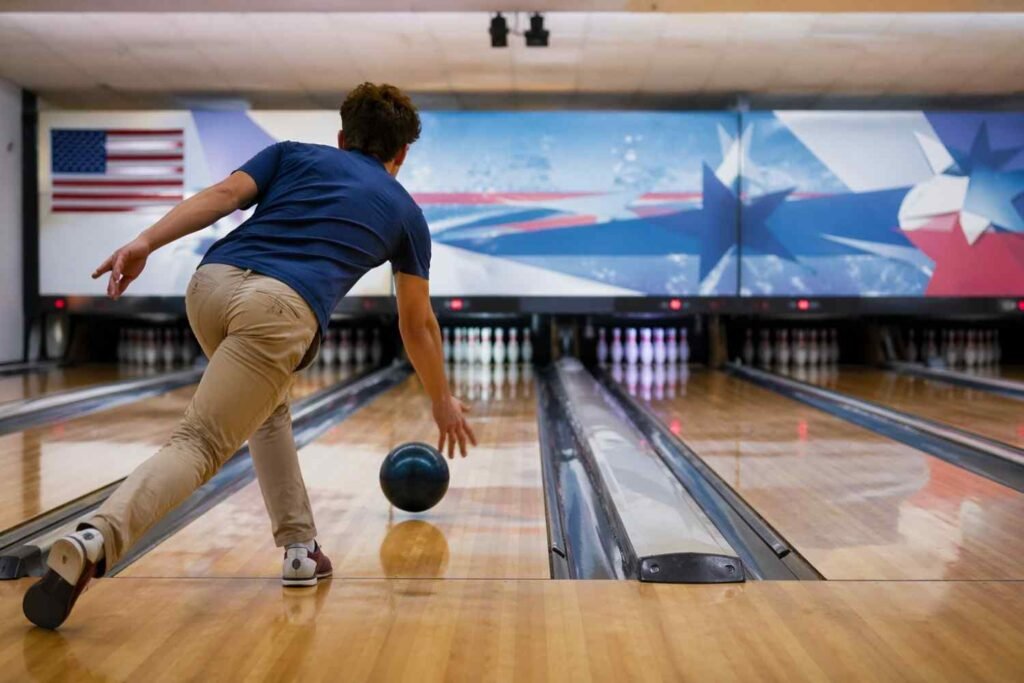
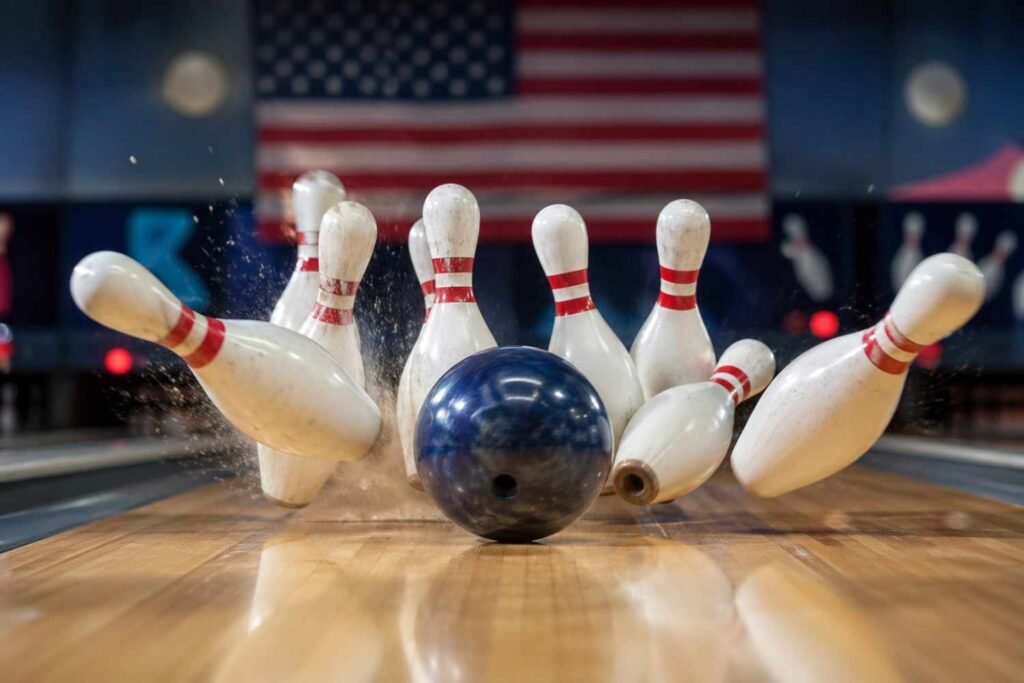
There was a time when hitting the pocket felt like a win on its own. You’d throw what looked like a perfect shot, hear that satisfying crack, and still watch a stubborn 10-pin stand there. It gets frustrating fast. That’s when it clicks, accuracy alone isn’t enough. What really matters is what happens after the ball hits the pins.
Pin action is where the game changes. It’s the difference between “almost a strike” and a clean frame. Once you start understanding how the pins move, collide, and carry energy, your scores begin to climb without forcing power. The shift is subtle, but it’s real, and it starts with how your ball enters and travels through the pins.
Why Pin Action Makes Or Breaks Your Score

Pin action is essentially how the pins react after impact. Strong pin carry means pins scatter, collide, and clear the deck. Weak pin action leaves standing corners and splits, even on decent shots.
Most bowlers think they need to throw harder. That’s usually the wrong move. The real focus should be on energy transfer, angle, and ball motion. When those three align, strikes come naturally.
Optimize Your Entry Angle For Better Carry
Hitting the pocket is important, but the entry angle determines how effective that hit is. A ball that drives in at the right angle creates a chain reaction across the deck.
The sweet spot sits around a steeper angle enough for the ball to move through key pins and keep momentum going.
What happens when the angle is off:
- A straight entry leads to “flat” hits
- Pins fall backward instead of sideways
- You leave common misses like the 10-pin or 7-pin
A simple adjustment can fix this. If you’re consistently hitting the pocket but not striking, shift your starting position slightly left or right while keeping the same target. That small change can dramatically improve how the pins react.
Get Your Ball Into The Roll Phase Earlier

One of the most overlooked parts of pin action is the roll phase. This is when your ball stops skidding or hooking and begins rolling forward with full control.
When the ball is in this phase at impact, it transfers energy cleanly into the pins. When it’s not, it deflects and that’s where weak hits happen.
Here’s what affects it:
- If the ball hooks too late, it never fully settles into a roll
- If it hooks too early, it loses energy before reaching the pins
To fix this, focus on a smoother release and match your ball surface to the lane condition. On heavier oil, a duller surface helps the ball grip earlier and transition into that strong roll.
Improve Your Release And Rotation
Your release is where everything begins. Even small inconsistencies here can reduce pin action more than you realize.
A clean release does three things:
- Stores energy in the ball
- Creates better rotation (revs)
- Keeps the ball on a strong path through the pins
The key is sequencing. Your thumb should exit first, followed by your fingers. This creates that lifting motion that generates rotation without forcing it.
Your follow-through matters too. Think of it like reaching out for a handshake, smooth, controlled, and forward. That motion keeps your shot consistent and powerful.
Make Smart Adjustments Based On What You See

One of the best skills you can develop is reading what the pins are telling you. Every leave gives you feedback.
For example, if you leave a 10-pin and notice the 6-pin sliding straight into the gutter, your hit was likely too light. That usually means your angle needs adjusting.
If your ball is deflecting too much, it’s often a speed issue. Slowing down slightly gives the ball more time to hook and roll before impact.
This is where experience starts to kick in. Over time, you’ll stop guessing and start making small, confident adjustments that lead to better results.
And if you’re working on refining your overall game, combining these insights with boldly integrated bowling hacks for better scores can help you see faster improvement without overcomplicating your approach.
Common Mistakes That Kill Pin Action
Even good bowlers fall into these habits without realizing it:
- Throwing harder instead of improving technique
- Ignoring lane conditions and oil patterns
- Using the wrong ball surface
- Releasing the ball too aggressively or inconsistently
Fixing these doesn’t require a complete overhaul. Often, small adjustments lead to noticeable improvements.
Frequently Asked Questions: How To Increase Pin Action And Finally Boost Your Bowling Scores
1. How do I know if my pin action is weak?
If you consistently hit the pocket but leave corner pins like the 10 or 7, your pin action likely needs improvement. It usually points to angle or energy transfer issues.
2. Does ball speed affect pin action?
Yes, but not in the way most think. Too much speed reduces hook and roll, leading to deflection. Controlled speed helps the ball enter the pins with better energy.
3. What type of bowling ball increases pin action?
Reactive resin balls are designed for stronger hook potential and better backend motion, which improves pin carry compared to basic plastic balls.
4. Can beginners improve pin action quickly?
Yes. Focusing on entry angle, release, and basic adjustments can lead to noticeable improvements even without advanced techniques.
Wrapping It All Together
Improving pin action isn’t about reinventing your game. It’s about understanding what actually creates strikes. When your ball enters at the right angle, transitions into a proper roll, and carries energy through the pins, everything starts to click. The frustrating near-misses turn into consistent results.
Focus on small adjustments, stay aware of what the pins are telling you, and trust the process.
That’s when the game starts feeling a lot more rewarding.