
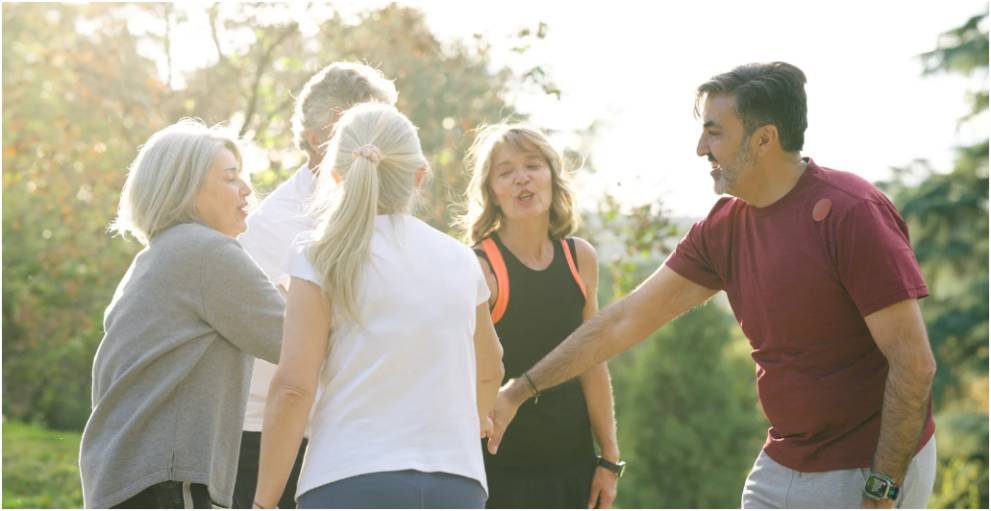
I used to think planning group activities for families meant finding something “fun” and hoping everyone would enjoy it. Most of the time, that didn’t happen. Someone got bored, someone argued, and someone quietly reached for their phone.
What changed everything for me was focusing less on the activity itself and more on how it brings people together. Over time, I’ve tested different ideas—some worked brilliantly, others failed fast. This guide is built from those real experiences, so you can skip the trial-and-error.
Why Most Family Activities Fail (And What I Learned)
The biggest mistake I made early on was choosing activities that looked fun but didn’t require interaction. Watching a movie together sounds like bonding, but in reality, it’s passive.
What actually worked were activities where everyone had a role, a goal, or a reason to participate. Once I started designing activities around interaction, everything changed.
Indoor Group Activities That Actually Keep Everyone Engaged
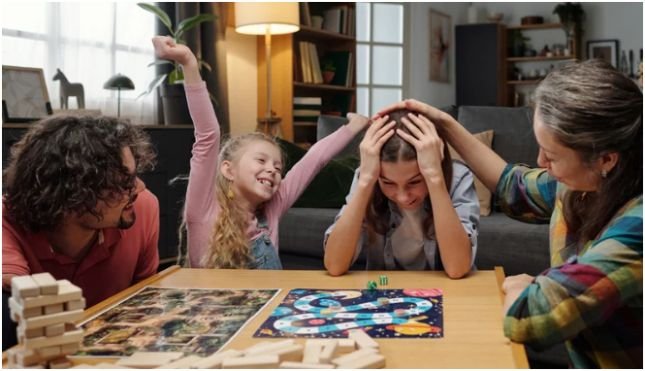
Indoor activities became my go-to, especially when plans changed last minute.
The Game Night That Finally Worked
Game night used to fall flat—until I changed the structure. Instead of just picking a game, I started assigning roles. One person chooses the game, another explains rules, and someone keeps score.
That small shift made a huge difference. Even teenagers who usually checked out started paying attention because they were involved.
When I ran out of ideas, I tried some indoor activities for families on rainy days, which helped me keep things fresh without overthinking it.
The Puzzle That Turned Competitive
I once brought out a large puzzle thinking it would be relaxing. It wasn’t—until we turned it into a timed challenge.
We split into teams and competed to finish sections. What started as a quiet activity turned into something surprisingly intense and fun.
That’s when I realized: almost any activity can work if you add a simple goal.
Cooking Nights That Got Everyone Talking
Cooking together used to feel like a chore. Then I tried a “mystery ingredient” challenge. I gave everyone random ingredients and 30 minutes to create something edible.
It was chaotic, messy, and honestly one of the best bonding experiences we’ve had. Even the worst dishes became inside jokes.
Outdoor Activities That Don’t Feel Forced
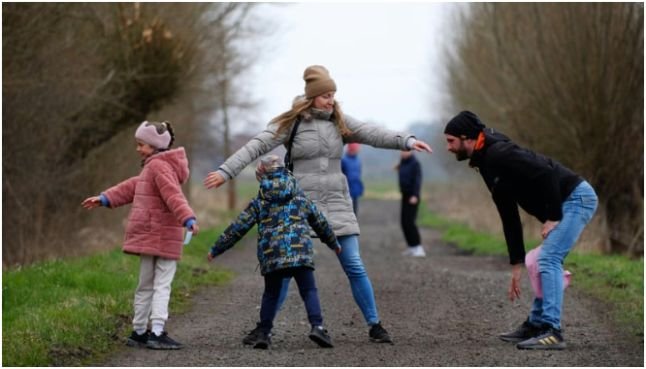
Outdoor activities worked best when they didn’t feel like “family time” in a structured way.
The Walk That Became a Game
I remember one walk where everyone seemed bored within minutes. So I turned it into a scavenger hunt on the spot—find something red, something unusual, something moving.
Suddenly, everyone was engaged. That moment taught me that it’s not the location—it’s the purpose.
Backyard Olympics (Unexpectedly Competitive)
I didn’t expect much when we set up simple backyard games. But once we added a scoreboard, everything changed.
People started strategizing, arguing (in a fun way), and actually caring about the outcome. Competition, even light-hearted, made a huge difference.
Trying High-Energy Experiences
Some of the best memories came from activities like ziplining or escape rooms. These experiences forced us to rely on each other, which naturally strengthened our connection.
What I Learned About Including Teenagers

Teenagers were the hardest group to engage—until I stopped trying to “include” them and started giving them control.
Letting Them Lead Changed Everything
The first time I let a teenager plan the activity, I was skeptical. But it worked better than anything I had organized.
They chose something creative—a video challenge—and suddenly everyone was involved.
Tech Isn’t the Enemy
I used to think phones ruined family time. But activities like geocaching or photo challenges actually used technology to bring people together.
The key wasn’t removing screens—it was using them differently.
Creative Projects Worked Better Than Expected
Simple ideas like painting sneakers or filming short videos turned out to be surprisingly effective. These activities gave teens a sense of ownership, which made them more engaged.
The Activities That Felt the Most Meaningful
Some of the most impactful experiences weren’t the most exciting ones.
Volunteering Together
Helping out as a group created a different kind of connection. It wasn’t about fun—it was about purpose.
Those moments felt more meaningful and stayed with us longer.
Learning Together (Without It Feeling Like School)
We started doing small skill-sharing sessions where each person taught something. It could be anything—drawing, cooking, even a simple trick.
It worked because everyone had a chance to contribute.
The Simple Framework I Now Use
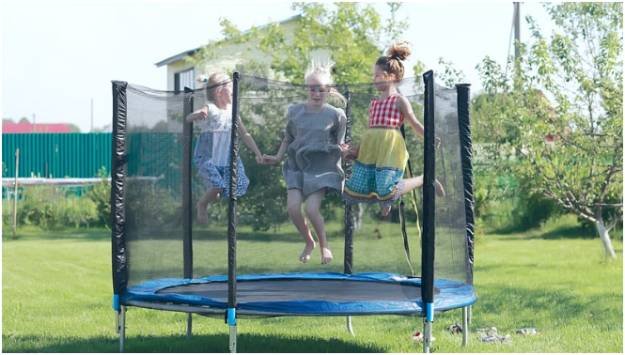
After trying dozens of activities, I realized I needed a simple way to choose what works.
Now I ask three questions:
- How much energy does everyone have today?
- What’s the age mix?
- How much time do we actually have?
Instead of picking one activity, I suggest three and let everyone vote. That alone increased participation more than any specific activity ever did.
What I Stopped Doing (And You Should Too)
I stopped overplanning. The more rigid the plan, the less people enjoyed it.
I also stopped choosing activities based only on what I thought was fun. Once I started involving everyone in the decision, things improved immediately.
FAQs
1. What are some simple group activities for families at home?
From my experience, game nights, cooking challenges, and puzzles work best when you add a goal or competition.
2. How do you keep teenagers interested?
Let them lead. The moment they feel in control, their engagement changes completely.
3. What outdoor activities work for all ages?
Scavenger hunts and light competitions work well because they can be adapted easily.
4. How often should families plan activities?
Consistency matters more than frequency. Even once a week makes a difference.
Conclusion: The Secret Isn’t the Activity—It’s the Chaos That Comes With It
If there’s one thing I’ve learned, it’s this: the best group activities for families aren’t perfect—they’re a little messy, a little loud, and completely shared.
The moments that stand out aren’t the well-planned ones. They’re the ones where something unexpected happens, everyone laughs, and no one is checking their phone.
Start small. Try one idea this week. Let someone else choose the next. That’s how these moments build over time.