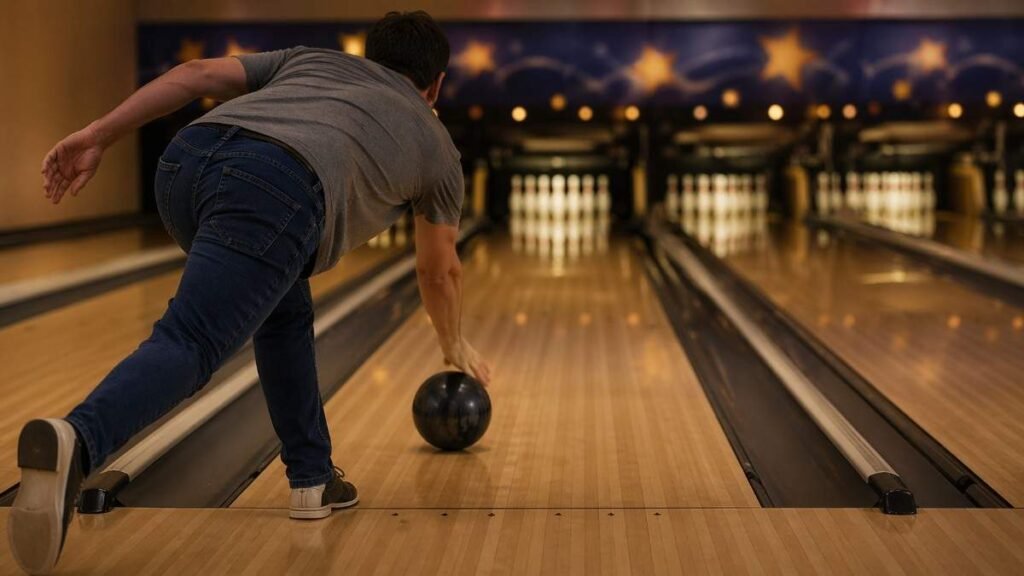

Every bowler has had that frustrating game where the ball feels good off the hand, the speed seems right, and yet the pins refuse to fall the way you expect. You hit 8 pins, maybe 9, and leave a stubborn corner pin standing. It feels random at first, but it usually isn’t.
The truth is, learning how to get more strikes in bowling has less to do with throwing harder and more to do with repeating the right motion consistently. Strikes happen when angle, speed, accuracy, and pin action come together. Once you understand what creates that reaction, your scores start climbing fast.
Stop Aiming at the Head Pin

One of the biggest beginner mistakes is aiming straight for the front pin.
It feels logical. Hit the center, knock everything down. But bowling doesn’t work that way. A straight shot into the head pin often leaves splits because the pins scatter unevenly.
Instead, aim for the pocket.
For right-handed bowlers, that means the space between the 1 and 3 pins.
For left-handed bowlers, it’s between the 1 and 2 pins.
That entry angle creates better pin action and increases your strike chances dramatically.
A smarter trick is to stop staring at the pins and use the lane arrows instead. Focus on rolling over the second or third arrow from your dominant side. It gives you a more precise target and improves consistency.
Learn to Hook the Ball Properly

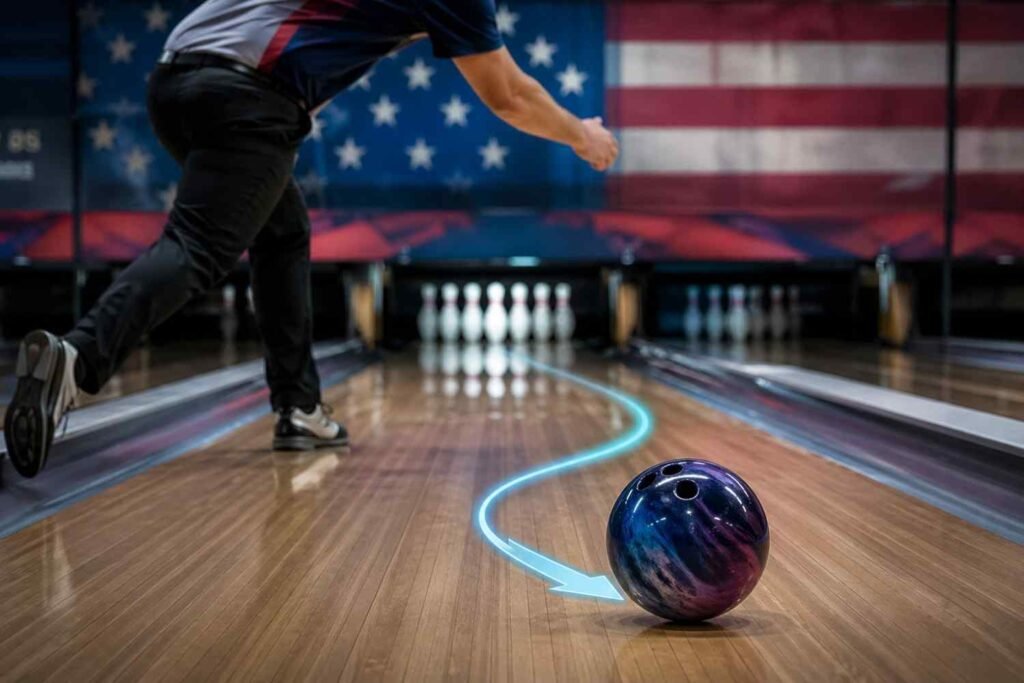
Straight shots can work, but a controlled hook gives you a better angle into the pocket.
This is where many bowlers improve quickly once they understand how to spin a bowling ball correctly. Spin creates that sharp backend movement that helps the ball drive through the pins instead of deflecting away.
The release matters more than the backswing.
Keep your wrist firm but relaxed. As you release the ball at the bottom of your swing, rotate your hand naturally, almost like you’re shaking hands with the pins.
For right-handed bowlers:
- Rotate toward the 10 o’clock position
For left-handed bowlers:
- Rotate toward the 2 o’clock position
That motion creates a smooth hook instead of an uncontrolled spin.
Fix Your Four-Step Approach

Your feet control your timing.
A lot of missed strikes happen because the release timing is off, not because of bad aim. Most experienced bowlers use a four-step approach because it builds rhythm.
Here’s the basic breakdown:
- Step 1: Push the ball out as you step with your dominant foot
- Step 2: Let the ball fall naturally into the swing
- Step 3: Continue the backswing smoothly
- Step 4: Slide and release with balance
The goal is not speed. The goal is repeatable motion.
When your steps are rushed, your release gets inconsistent. When your timing is clean, your shots become predictable.
Stop Throwing Harder Than You Need To

A lot of players think that more speed equals more strikes.
That’s rarely true.
Throwing too hard can reduce hook, weaken pin carry, and make the ball harder to control. Controlled speed with proper rotation creates stronger entry angles.
Watch skilled bowlers closely. Most are not throwing as hard as possible—they’re throwing with control.
The sweet spot is enough speed to carry through the pins while still allowing the ball to hook into the pocket.
Read the Lane Conditions

This is where bowling starts becoming a strategy game.
Lane oil patterns affect how soon or late your ball hooks. If the lane is heavily oiled, your ball may skid longer. If it’s dry, it may hook too early.
A common mistake is repeating the same shot even after conditions change.
If you keep missing:
- Move left or right on the approach
- Adjust your target arrow
- Change your speed slightly
The best bowlers make small adjustments instead of forcing the same line every frame.
Use the Right Bowling Ball

House balls are fine for casual games, but they often hurt consistency.
If the holes don’t fit properly, your release changes with every throw. That means less control and less hook.
A better-fitting ball helps with:
- Better grip
- More consistent release
- Improved hook potential
A simple rule is choosing a ball around 10% of your body weight, though comfort matters more than the exact number.
If you bowl regularly, owning your own ball can make a huge difference.
Focus on Follow-Through
A lot of bowlers “drop” the shot after release.
Your follow-through affects direction and rotation.
After releasing:
- Keep your arm moving upward
- Finish balanced
- Hold your position briefly
This improves accuracy and keeps your motion consistent.
Think smooth, not forced.
Frequently Asked Questions: Want Better Scores? Learn How to Get More Strikes in Bowling
1. How do I get more strikes in bowling as a beginner?
Focus on aiming for the pocket, using the lane arrows, and developing a consistent release instead of throwing harder.
2. Is a hook better than a straight ball for strikes?
Yes, a controlled hook creates a better entry angle into the pocket and improves pin action.
3. What is the best speed for bowling strikes?
There is no perfect speed, but a controlled speed that allows the ball to hook properly works better than maximum power.
4. Does my bowling ball affect strike consistency?
Yes. A properly fitted ball improves grip, release consistency, and hook potential.
Final Frame Thoughts
Bowling can feel frustrating when good throws leave standing pins, but strikes are rarely random. They come from repeatable mechanics, smart targeting, and making adjustments when conditions change. Once you stop chasing power and start focusing on angle and consistency, the game gets easier.
The best part is that even small improvements can add up quickly. A few more strikes per game can completely change your average and make bowling a lot more fun.