Learning how to spin a bowling ball can feel confusing at first, especially when your shots keep going straight or missing the pocket. The truth is, spin is less about strength and more about technique, timing, and control. Once you understand the mechanics, your accuracy improves and strikes become far more consistent.
1. Choose The Right Ball And Grip
Before mastering how to spin a bowling ball, your equipment needs to support your technique.
Select The Right Ball
A good rule is to use a ball that is about ten percent of your body weight. Beginners often pick heavier balls, which reduces control and makes spin harder. Reactive resin balls are better than plastic ones because they grip the lane and help create hook.
Use Fingertip Grip
Insert your fingers only up to the first knuckle while placing your thumb fully inside the hole. This grip allows your fingers to generate rotation during release. Most house balls use a conventional grip, which limits spin potential.
Why Equipment Matters
A poorly fitted ball or incorrect grip can ruin your release. Even perfect technique will not produce spin if your thumb sticks or your fingers cannot rotate freely.
2. Master The Core Release Technique
The release is the most important part of how to spin a bowling ball.
Using The Handshake Method
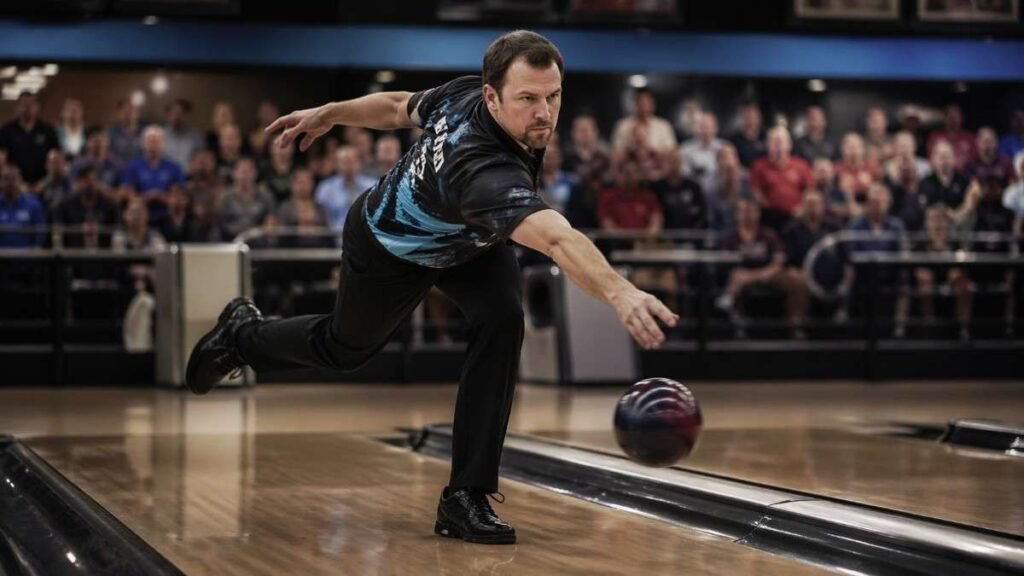
Start with your hand behind the ball during the swing. As the ball reaches your ankle, let your thumb exit first. Then rotate your fingers upward and slightly sideways as if you are shaking someone’s hand. This motion creates rotation.
Focus On Finger Lift
Your fingers should exit last and gently lift the side of the ball. This creates revolutions and helps the ball hook. Avoid forcing the motion with your arm.
Keep It Smooth
Many beginners try to twist aggressively. Instead, focus on a smooth, controlled motion. Spin comes from timing and finger action, not brute force.
3. Understand Equipment And Grip Variations
Different techniques can change how you approach how to put spin on a bowling ball.
Custom Fit Advantage
A ball drilled specifically for your hand allows a cleaner release. It prevents your thumb from sticking and improves consistency.
Two-Finger Release
Some beginners skip using the thumb entirely. This creates more spin but can reduce accuracy. It is useful for learning rotation but should be controlled carefully.
Two-Handed Style
This method uses both hands during the approach, allowing the dominant hand to generate high spin. It is powerful but requires more coordination.
4. Learn The 3 Types Of Spin Bowlers
Understanding the science behind bowling and your style improves your bowling spin for beginners journey.

Stroker Style
This is the most controlled approach with lower spin. It is ideal for beginners focusing on accuracy and consistency.
Tweener Style
This style balances control and power. It produces moderate spin and is the most versatile approach for most players.
Cranker Style
This involves high spin and aggressive hook. It generates strong pin action but requires advanced control and practice.
5. Improve Your Approach And Timing
Spin depends on your entire movement, not just your hand.
Build A Consistent Approach
Use a four or five step approach. Keep your shoulders aligned and maintain a steady rhythm throughout your motion.
Match Timing With Release
The ball should reach its lowest point exactly when your front foot stops sliding. Poor timing leads to inconsistent spin.
Practice Rhythm
If your shots feel unpredictable, focus on timing drills instead of adjusting your grip or release.
6. Perfect Your Follow Through
Follow through is often overlooked when learning how to spin a bowling ball.
Keep Your Arm Upward
Your hand should finish high and pointing toward your target. This helps maintain direction and control.
Stay Relaxed
Tension in your arm muscles reduces accuracy. Keep your movement fluid from start to finish.
Why It Matters
Even with a perfect release, poor follow through can send the ball off target or reduce spin effectiveness.
7. Adjust For Lane Conditions
Understanding lane conditions is key to mastering the bowling ball hook technique.

Oily Lanes
The ball slides more, so you need extra rotation and slightly higher speed to create hook.
Dry Lanes
The ball grips earlier, so reduce spin and use a smoother release to avoid over-hooking.
Medium Conditions
This is the most common situation. Start with balanced spin and adjust gradually based on results.
8. Spin Vs Straight Bowling
Choosing between spin and straight shots affects your scoring potential.
| Factor | Spin Bowling | Straight Bowling |
| Strike Potential | High | Moderate |
| Control Difficulty | Medium | Easy |
| Pin Impact | Strong | Limited |
| Learning Curve | Steeper | Beginner friendly |
Spin creates a better entry angle into the pins, which increases strike chances.
9. Fix Common Beginner Mistakes
Troubleshooting is essential when learning how to spin a bowling ball.
Ball Does Not Hook
Check your grip and ensure your thumb exits first. Also confirm you are using a suitable ball.
Ball Hooks Too Much
Reduce rotation or adjust your speed. Dry lanes often cause excessive hook.
Inconsistent Results
Focus on timing and follow through. Avoid changing multiple elements at once.
10. Set Realistic Expectations
Many beginners expect quick results, but progress takes time.

Learning Timeline
In the first two weeks, focus on basic control. Within a month, you should see an occasional hook. Consistency often takes two to three months.
Expect Mistakes
Missing shots is part of learning. Spin requires coordination and patience.
Focus On Consistency
Reliable technique is more important than powerful spin during early stages.
11. Advanced Tips To Improve Faster
To increase your rev rate, focus on strengthening your fingers and practicing a controlled release so you can generate more spin without losing control. Aim for the arrows on the lane instead of the pins, as this improves accuracy and helps you repeat shots more consistently.
Using video analysis can make a big difference too, since recording your technique allows you to spot mistakes and refine your release. Finally, build mental consistency by sticking to a repeatable routine and avoiding frequent changes to your technique.
12. Challenges You Will Face
Every bowler encounters obstacles while learning spin.
Slow Progress
Improvement takes time. Focus on small gains instead of instant results.
Inconsistency
Practice timing drills and repeat your approach consistently.
Competition Pressure
Build confidence through practice before focusing on scoring in games.
Frequently Asked Questions
1. How do you spin a bowling ball for beginners?
Use a fingertip grip, release your thumb first, and rotate your fingers upward. Keep your motion smooth and controlled for best results.
2. How to perfectly spin a bowling ball?
Perfect spin comes from timing, proper grip, and consistent follow through. Practice regularly and focus on technique rather than strength.
3. How to curve a bowling ball for beginners?
Create rotation during release and aim slightly off center. The spin will naturally curve the ball toward the pins.
4. What’s the best bowling ball spin technique?
The handshake method is the most effective. It uses thumb release followed by finger rotation for controlled spin.
Turn Spin Into Your Secret Weapon
These bowling tips will you master how to spin a bowling ball is a journey that rewards patience and practice. Focus on grip, release, and timing rather than forcing power. As your technique improves, spin will feel natural and your scores will rise. Keep practicing one step at a time and stay consistent. The results will follow faster than you expect.